Venetian Antiques: How to Identify Venetian Antiques
06 May 2026
Anthony Bridgman
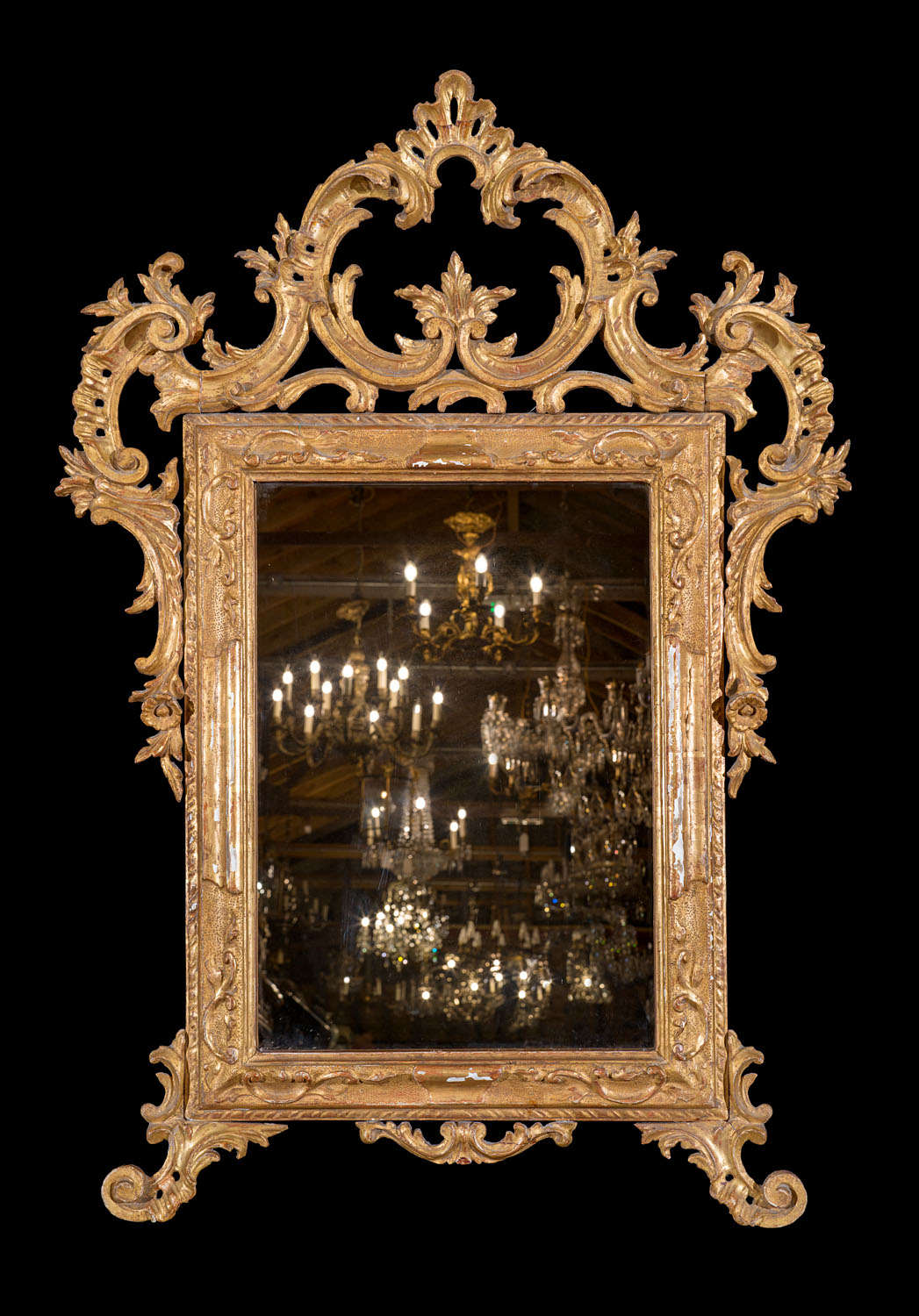
One of the most stunning cities in the world and a UNESCO World Heritage Site, there are many reasons why Venice is so popular. In this article, we’ll take a look at one of those reasons – beautiful Venetian antiques.
Summary: Venetian antiques
-
Venetian style antiques often use carved wood, mirrored surfaces, curved shapes, gilded details, vibrant colours and ornate decoration.
-
For example, Venetian mirrors often have ornate Baroque or Rococo styling, bevelled edges, engraved decoration and signs of older silvering or hand-finished glasswork.
-
Venice is famous for Murano glass, a tradition dating back to the 13th century involving handmade, mouth-blown glass from the island of Murano within the city.
-
To identify genuine Venetian antiques, our advice includes looking for small signs of irregularities in handmade designs.
What is the Venetian style in antiques?
Venice’s history as a trade hub between Europe and the East helped influence the luxury and intricate craftsmanship of its antiques.
Particularly prevalent during the Baroque and Rococo periods, Venice’s history as a trade hub between Europe and the East helped influence the luxury and intricate craftsmanship of its pieces. Venice made key contributions to the Italian Renaissance.
In antiques, the Venetian style often features carved wood, gilded details, mirrored surfaces, curved shapes, vibrant colours and ornate decoration.
Venetian designers often chose opulence over restraint – such as polished or mirrored finishes, scrolling ornament, floral carving, elegant curves and gilt decoration.
A renowned Venetian tradition originating in the 13th century is handmade, mouth-blown glass from the island of Murano, part of Venice and known as the ‘Isle of Glass’.
Decorative glass is also a major Venetian theme. Among many iconic motifs such as beautiful masks, grotto furniture and winged lions, Venice is famous for its Murano glass.
A renowned Venetian tradition originating in the 13th century, this is handmade, mouth-blown glass from the island of Murano, part of Venice and known as the ‘Isle of Glass’.
Venetian antiques: Examples from our stock
This is a remarkable pair of 17th century Venetian albarelli in a dumbbell shape and the berettino style:
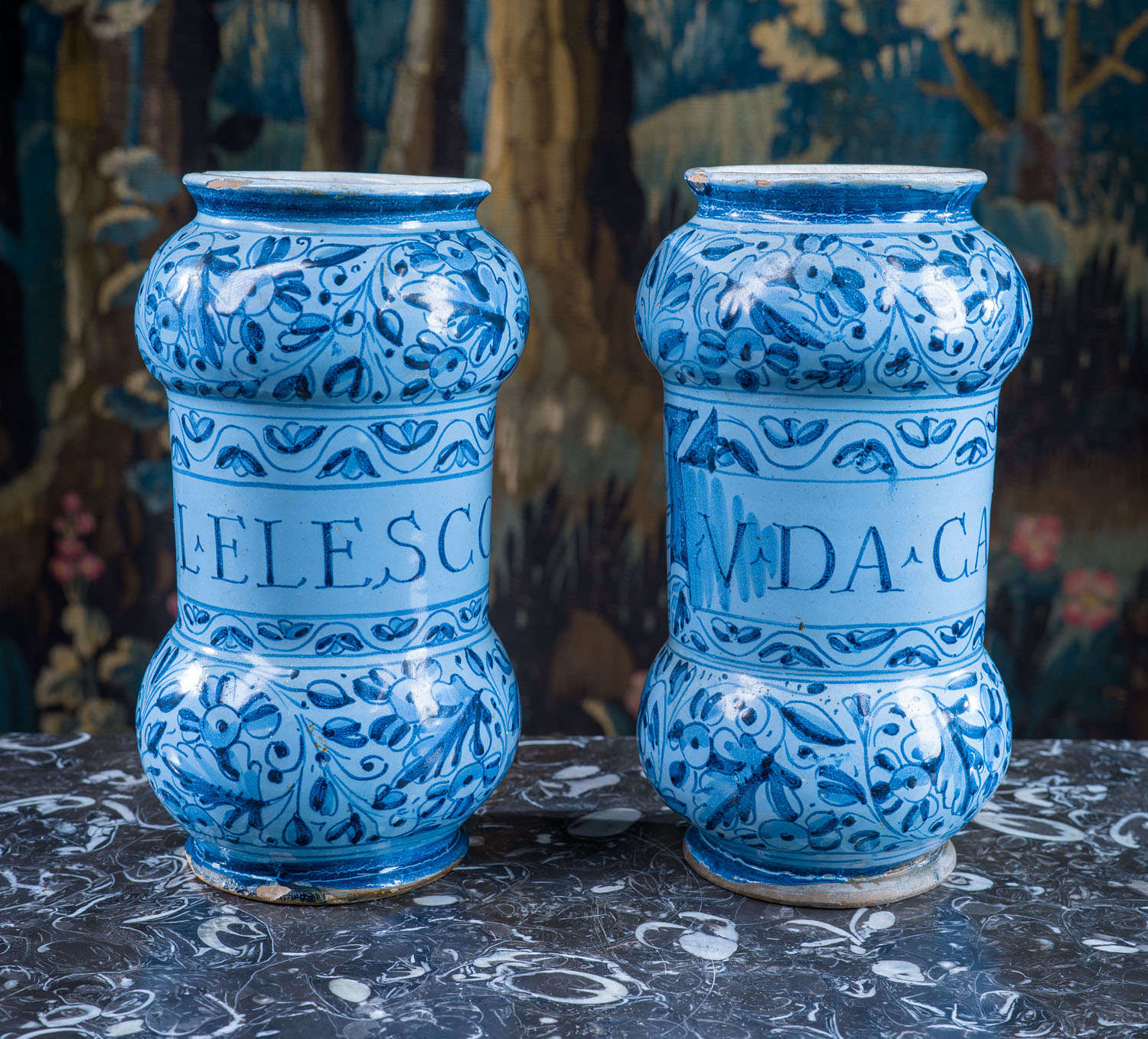
Apothecary jars popular in Venice, berettino albarelli tend to have a distinctive lavender or pale blue tin glaze, often with floral motifs. The floral pattern on these jars features flowers, oak leaves, berries and other foliage.
This fine giltwood table with a worn wooden surface, from c.1700 northern Italy, has a frieze with low relief decoration in the Venetian tradition, framing a faux marble top likely from the 19th century:
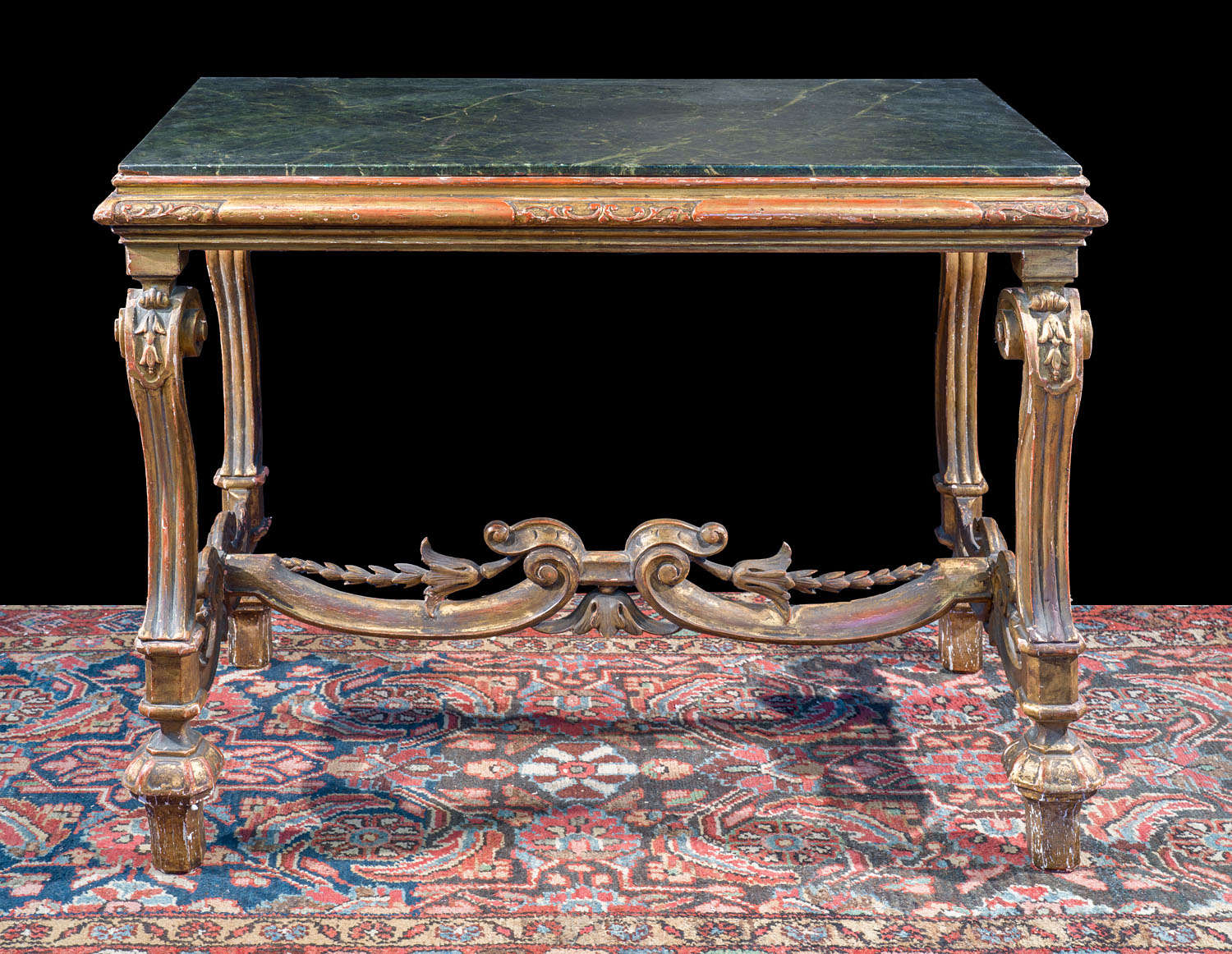
Large baluster feet support the scrolled legs, connected by a scrollwork stretcher with charming bellflowers.
Here is a rare, 17th century, large Venetian Baroque gilt wood lantern, likely made by renowned picture frame makers from Venice, with ornate carving including diving dolphins in the form of C-scrolls:
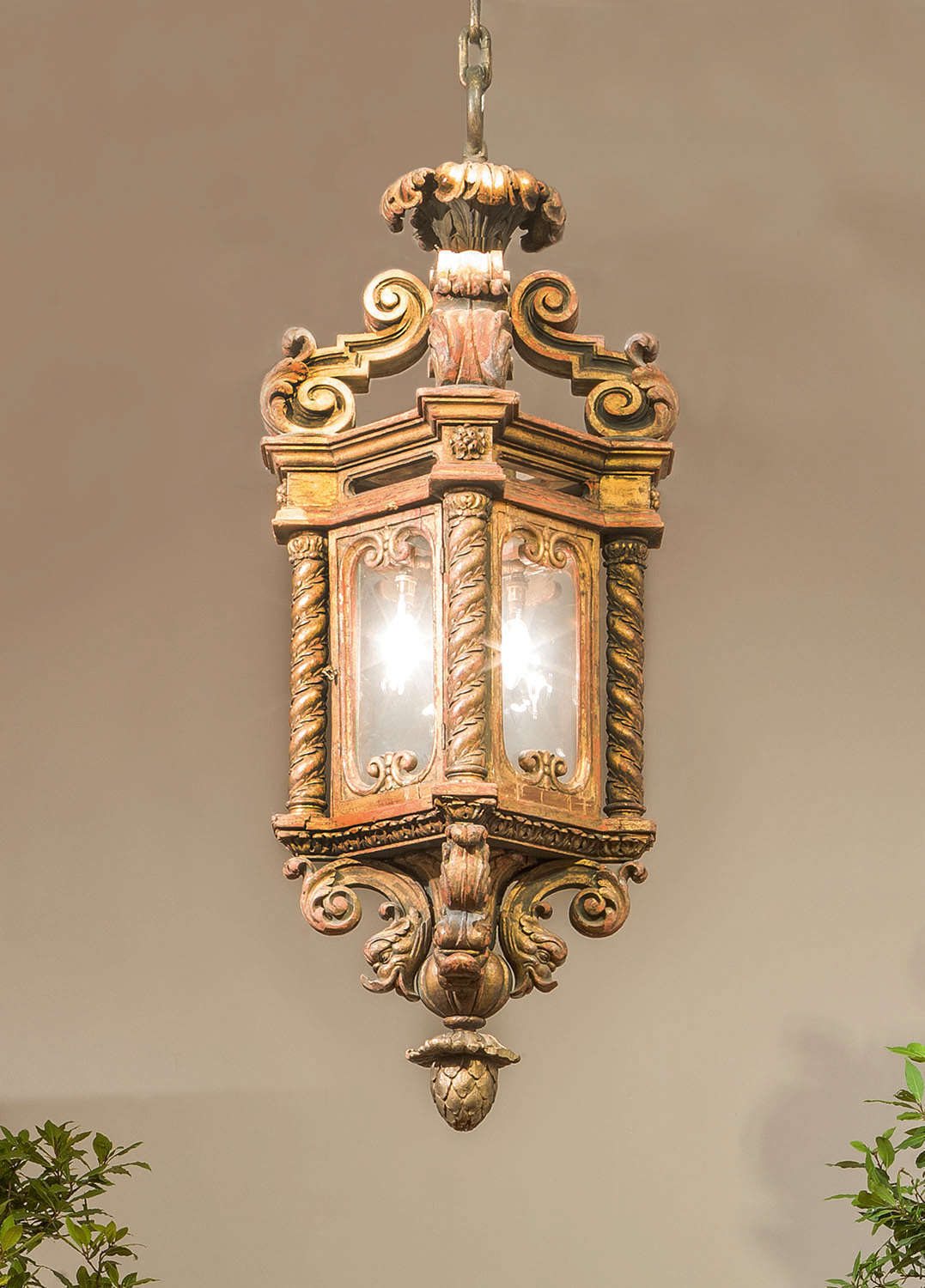
For the Venetian Armada, these fanò or fanale lanterns would provide crucial light and signals. Venetian homes also featured these in their entrance halls.
This is a pair of stone lions in the Venetian manner from c.17th century Italy:
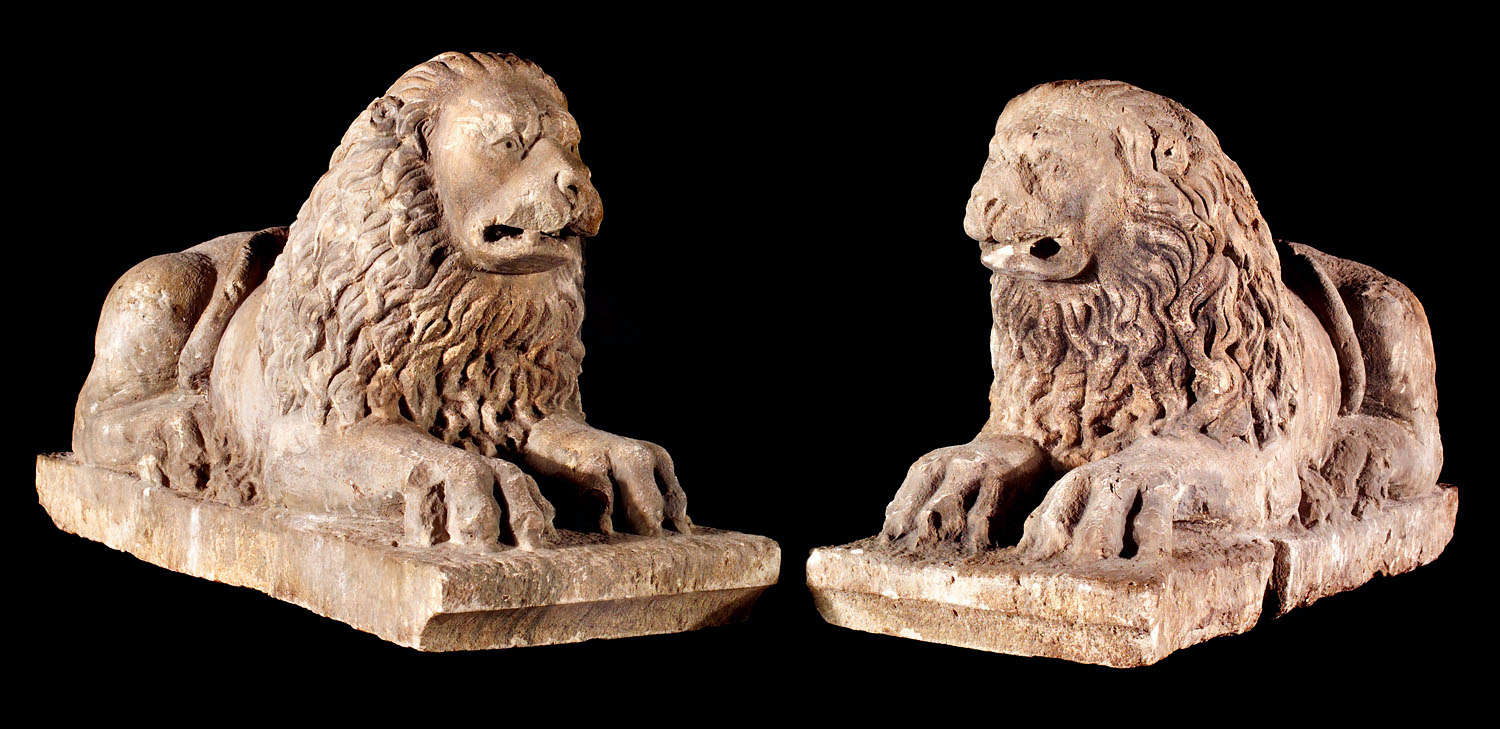
They were likely used as supports for columns over doorways or Italian church altars. For example, at the Parma Cathedral entrance stand two such lions, made of marble, sculpted in 1281.
From a palazzo in Venice, c.1760, comes this magnificent pair of rare Venetian mirrors, likely made on the island of Murano:
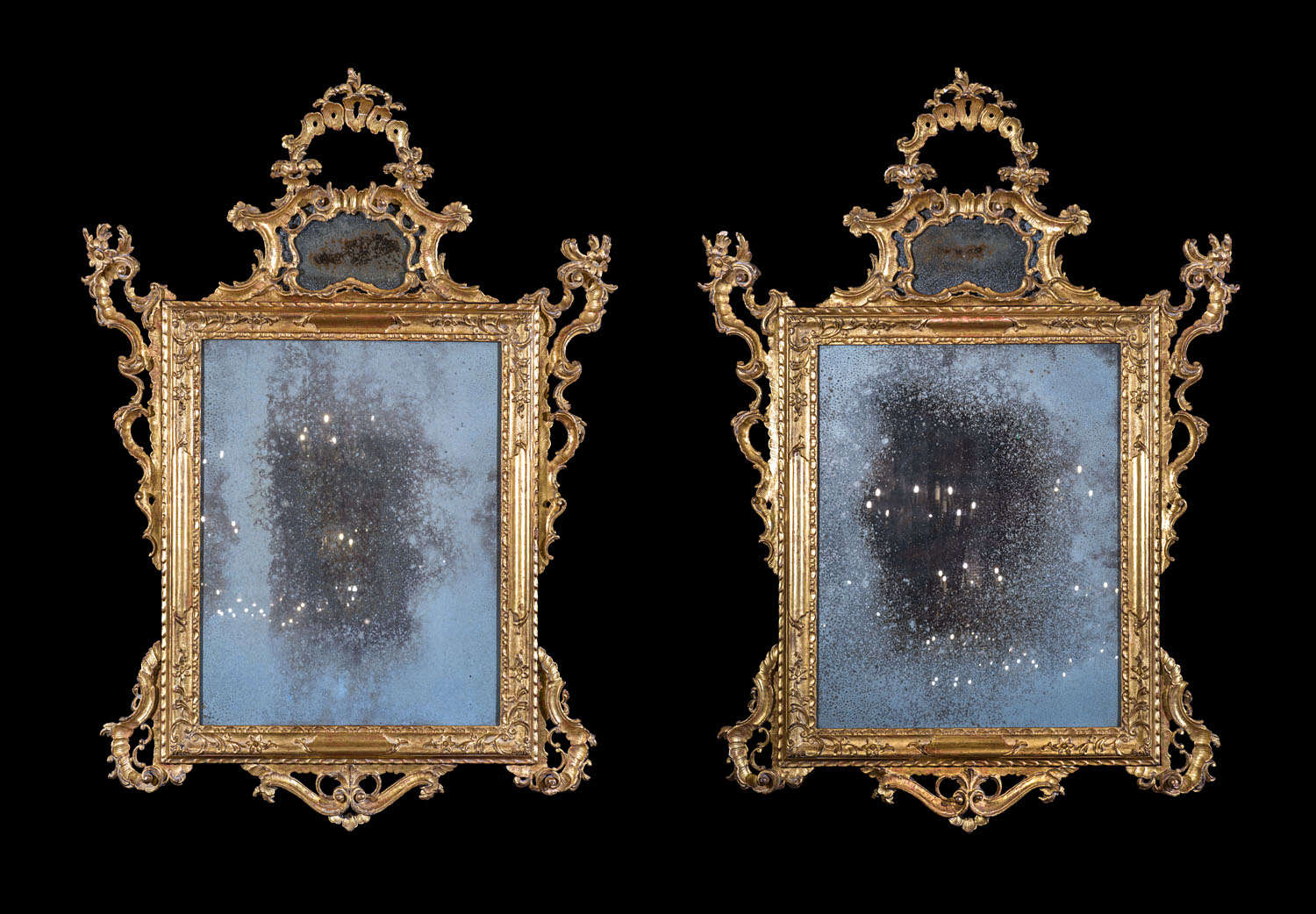
The mirrors’ Rococo design encloses the traditional, signature Venetian frames bordering the stunningly patinated original mercury plates. Pairs of mirrors such as these are now exceptionally rare.
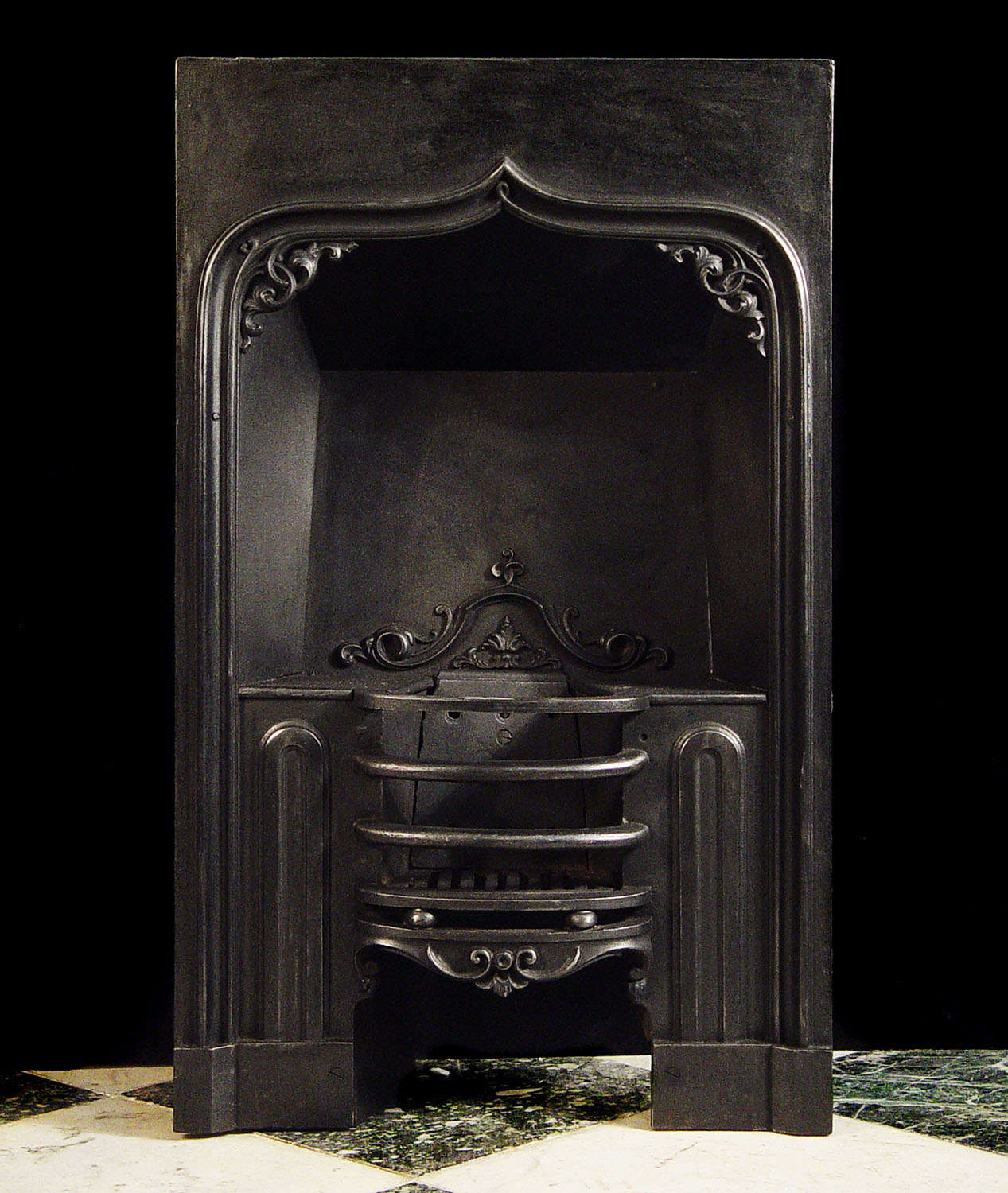
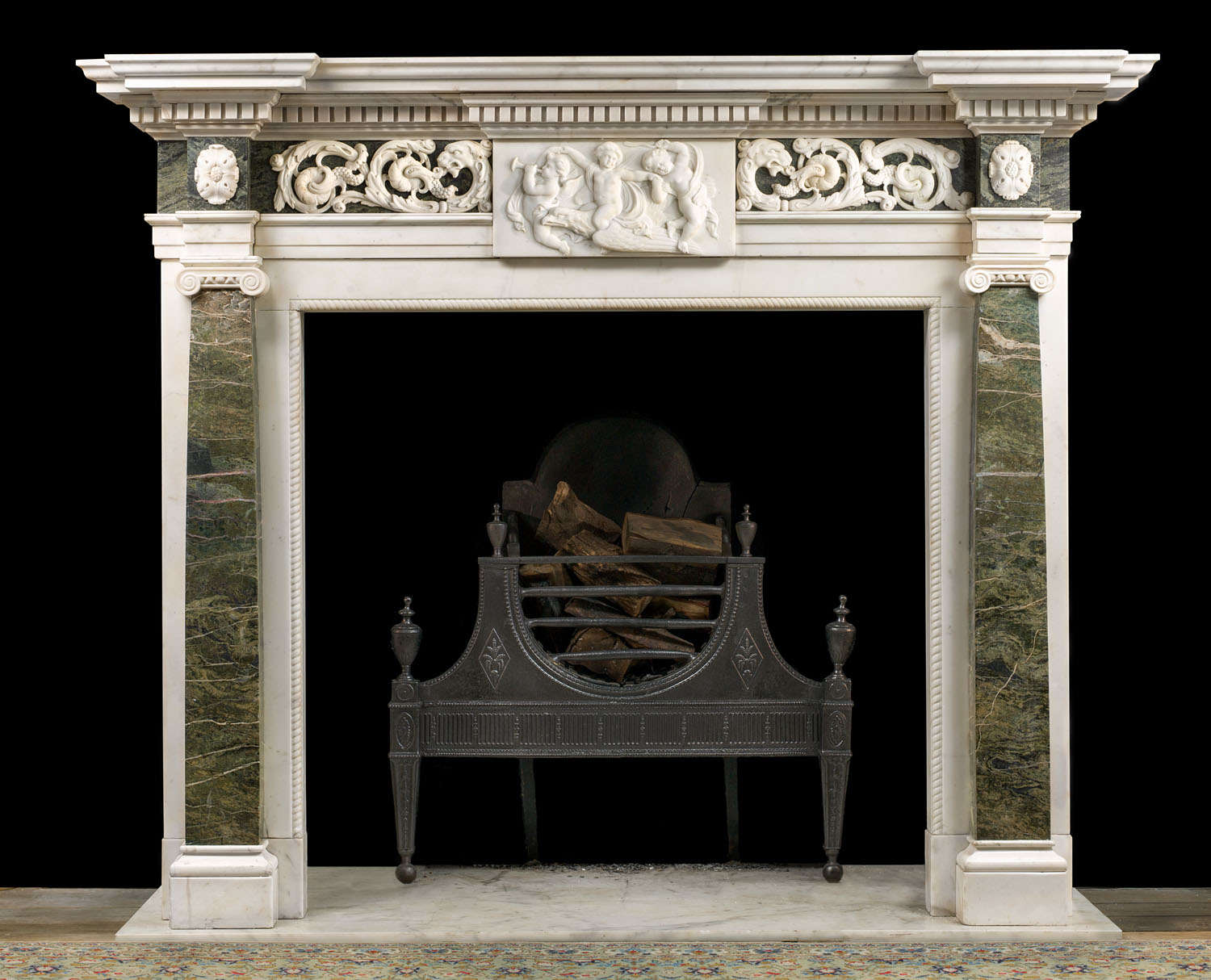
These next two pieces, a fireplace and register grate, are in the Venetian style yet English:
Venetian Renaissance architect Andrea Palladio (1508-1580) heavily influenced European architecture from the early 17th century and the Palladian style is named after him.
Above is a slender, small Victorian cast iron register grate with an attractive Venetian style arch and bowed bars, from the mid-19th century.
Below is a Neoclassical statuary marble chimneypiece in the Palladian manner, also from the 19th century. Venetian Renaissance architect Andrea Palladio (1508-1580) heavily influenced European architecture from the early 17th century onwards and the Palladian style is named after him.
How to identify Venetian antiques
Venetian antiques are often handmade and highly decorative, with glasswork showing clear signs of traditional craftsmanship.
Venetian antiques are often handmade and highly decorative, with glasswork showing clear signs of traditional craftsmanship:
-
Venetian glass: Common traits include Murano lattimo milk glass, Filigrana or twisted cane patterns, Millefiori decoration, enamel painting, bright colours and elegant but slightly uneven hand-finished forms.
-
Venetian mirrors: Often ornate Baroque or Rococo styling, bevelled edges, engraved decoration and again, signs of older silvering or hand-finished glasswork.
-
Venetian furniture: Elaborate carving, mirrored surfaces and decorative flourishes rather than plain lines.
Look for one or two signs of irregularities due to the handmade design. For example, small asymmetries, slight variations in thickness or bubbles in the glass are useful signs of genuine Venetian antiques.
And consistent with the age of the antique, also look for any signs of wear. These could include the patina, minor scratches or softened edges.
Final thoughts: Venetian antiques
Watch out for later pieces made in the Venetian style but which are not antiques, even though some reproductions look convincing.
Check for the maker’s marks and if in doubt, ask for advice from a specialist. Look for antiques from reputable antique dealers, such as LAPADA members.
If you enjoyed this guide, you may like some of our other most popular articles, such as:
Westland London has specialised in period chimneypieces, fireplace accessories, furniture, lighting, decorations and a wide range of other stunning architectural antiques for more than 50 years. Italian antiques in our collection are particularly popular at the moment.
If you have any queries about our antique fireplaces or anything else in our collection, please don't hesitate to contact us.